
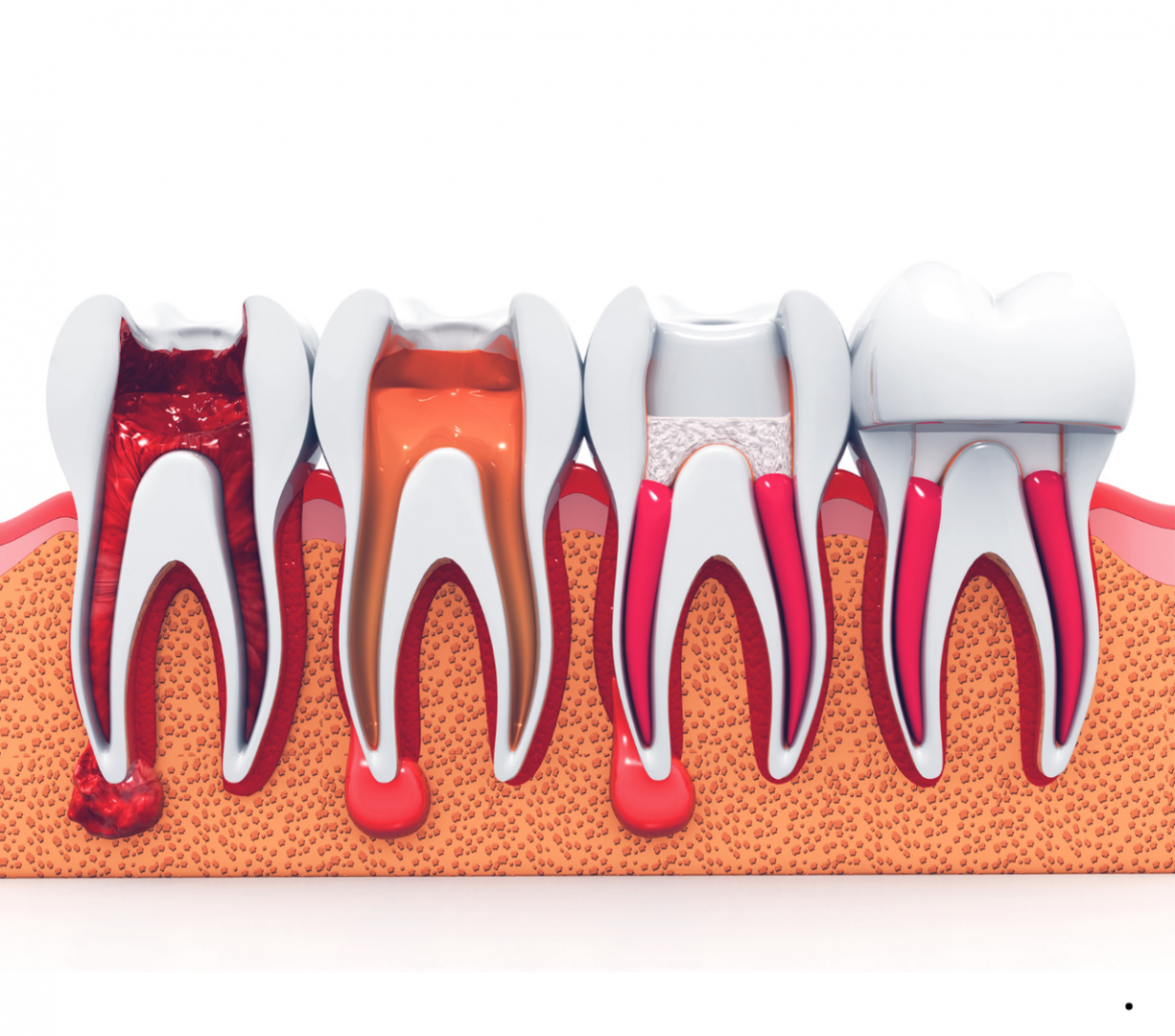
Treatment overview
Preserving a tooth affected by deep decay or infection
When the pulp inside a tooth becomes inflamed or infected because of deep decay, cracks, trauma or leakage around an old restoration, the tooth may become painful or develop an abscess. Root canal treatment aims to remove the affected tissue while keeping the remaining tooth structure in place.
Modern endodontic treatment is carried out under local anaesthesia. Magnification, electronic working-length measurement and detailed imaging can support accurate cleaning and shaping of the canal system before it is sealed and the tooth is restored.
Assessment
Signs that may lead to an endodontic assessment
Persistent toothache or spontaneous pain
Prolonged sensitivity to hot or cold
Pain when biting or chewing
Swelling, a gum boil or dental abscess
Deep decay close to the pulp
A cracked, fractured or traumatised tooth
Darkening of a previously injured tooth
Why patients consider it
Key benefits
Successful treatment can avoid extraction when the tooth is restorable.
Cleaning and sealing the canal system removes infected tissue and helps prevent spread.
After the final restoration, the tooth can usually return to normal chewing function.
Preserving a natural tooth can help maintain bite stability and neighbouring tooth positions.
Step by step
Your treatment journey
Examination and imaging
Symptoms, vitality tests and radiographs are used to assess the tooth and surrounding tissues.
Local anaesthesia and isolation
The tooth is numbed and isolated to keep the treatment field clean.
Canal cleaning and shaping
Inflamed or infected tissue is removed and the canal spaces are shaped and disinfected.
Root filling
The cleaned canal system is sealed with a biocompatible root-filling material.
Final restoration
A durable filling or crown may be recommended to protect the remaining tooth structure.
Long-term success
Care and aftercare
Some tenderness can occur after treatment, particularly if the tooth was inflamed beforehand.
- Avoid chewing very hard foods on the tooth until the final restoration is complete
- Maintain normal brushing and interdental cleaning
- Take only medications recommended for you by your clinician
- Return promptly if swelling, severe pain or a bite problem develops
Common questions
Root Canal Treatment (Endodontics) FAQ
Is root canal treatment painful?
The tooth is treated under local anaesthesia. Some post-treatment tenderness is possible, but the procedure is intended to remove the source of pain and infection.
Can a root canal be completed in one visit?
Many cases can be completed in one appointment, while more complex infections or anatomy may require additional visits.
Will I need a crown afterwards?
Back teeth and heavily weakened teeth often benefit from cuspal coverage, but the final restoration depends on how much healthy tooth structure remains.