
Treatment overview
Improving alignment, bite and smile balance at any age
Orthodontics is the branch of dentistry concerned with the position of teeth and the relationship between the upper and lower jaws. Treatment can address crowding, spacing, crossbite, open bite, deep bite and teeth that are positioned too far forward or backward.
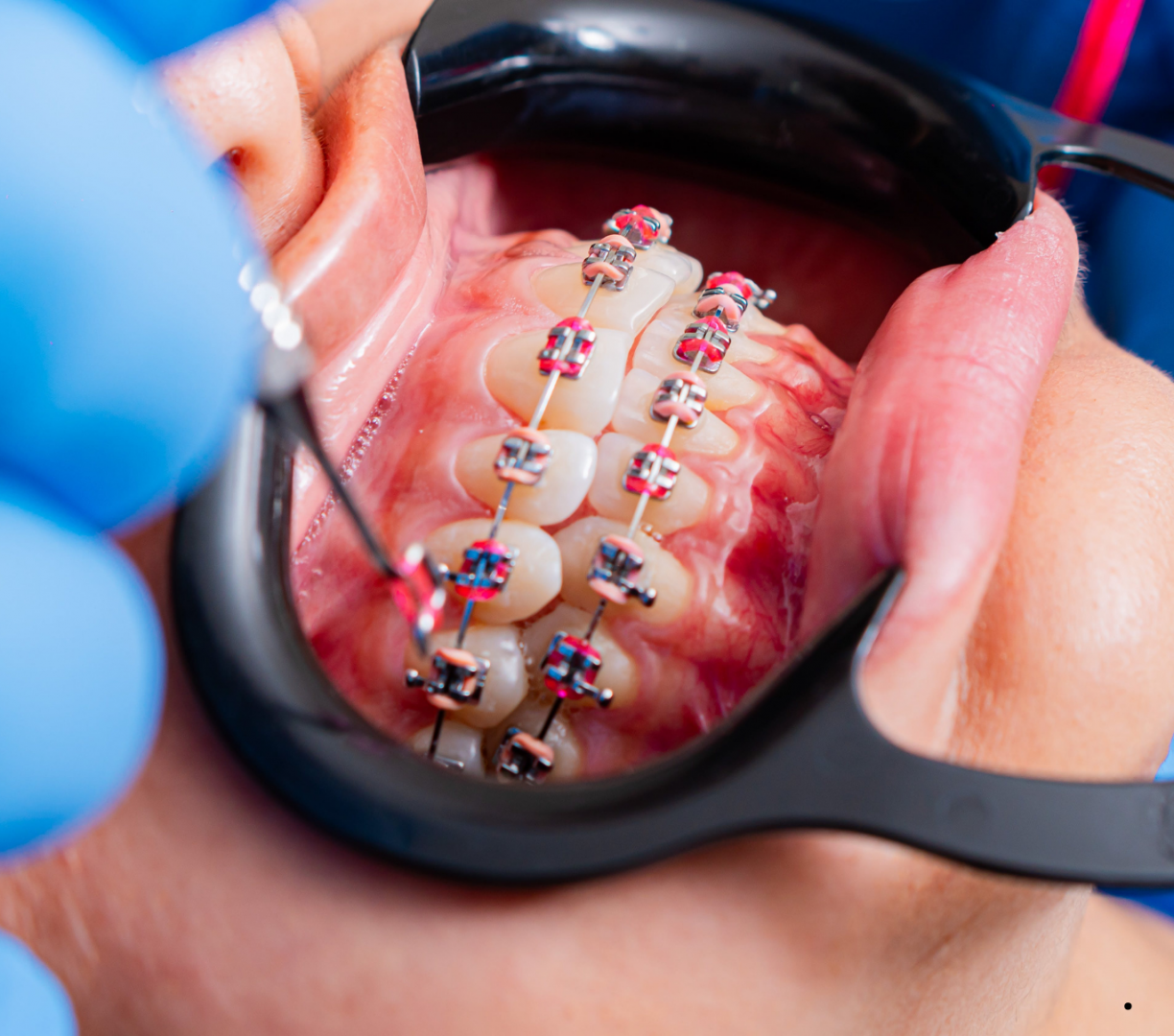
Fixed metal braces remain a predictable option for many types of tooth movement. Ceramic braces can be less visible, while lingual appliances and clear aligners offer other aesthetic approaches in selected cases. The right system is chosen after examining the teeth, gums, facial proportions, jaw relationships and growth where relevant.
Assessment
Orthodontic concerns that may benefit from treatment
Crowded or overlapping teeth
Spaces between teeth
Crossbite, open bite or deep bite
Protruding or retruded front teeth
Relapse after previous orthodontic treatment
Bite problems affecting chewing or tooth wear
Children who need monitoring of dental and jaw development
Why patients consider it
Key benefits
Straighter teeth can make cleaning easier and create a more balanced smile.
Orthodontic movement can improve how upper and lower teeth contact.
Metal, ceramic, lingual and removable aligner approaches can be considered according to clinical needs.
Retainers are built into the treatment plan to help maintain the final tooth positions.
Step by step
Your treatment journey
Orthodontic records
Clinical examination, photographs, digital scans and radiographs are used to diagnose tooth and jaw relationships.
Treatment planning
The orthodontist discusses objectives, appliance options, expected duration and whether space creation or extractions are necessary.
Appliance placement
Braces are fitted or aligners are issued, and oral-hygiene instructions are reviewed.
Regular adjustments
Appointments monitor progress and adjust wires, elastics, attachments or aligner sequencing.
Finishing and retention
After active treatment, retainers are provided to help keep teeth in their new positions.
Long-term success
Care and aftercare
Orthodontic success depends on excellent hygiene, appliance care and consistent attendance.
- Brush carefully around brackets and under wires, or clean aligners as instructed
- Avoid foods that can break brackets or distort appliances
- Wear elastics, aligners and retainers for the prescribed time
- Keep regular dental cleaning and orthodontic review appointments
Common questions
Braces (Orthodontics) FAQ
What age is best for orthodontic treatment?
Children can benefit from an early orthodontic assessment, while many tooth-alignment treatments can be carried out successfully in adults when teeth and supporting tissues are healthy.
How long do braces take?
Treatment length varies with the complexity of the bite, the movements required and patient cooperation. Many comprehensive cases take roughly 12–24 months, but individual plans differ.
Do I need retainers after braces?
Yes. Teeth can move after active orthodontic treatment, so retainers are important for maintaining the result.