
Treatment overview
Healthy foundations for developing teeth and jaws
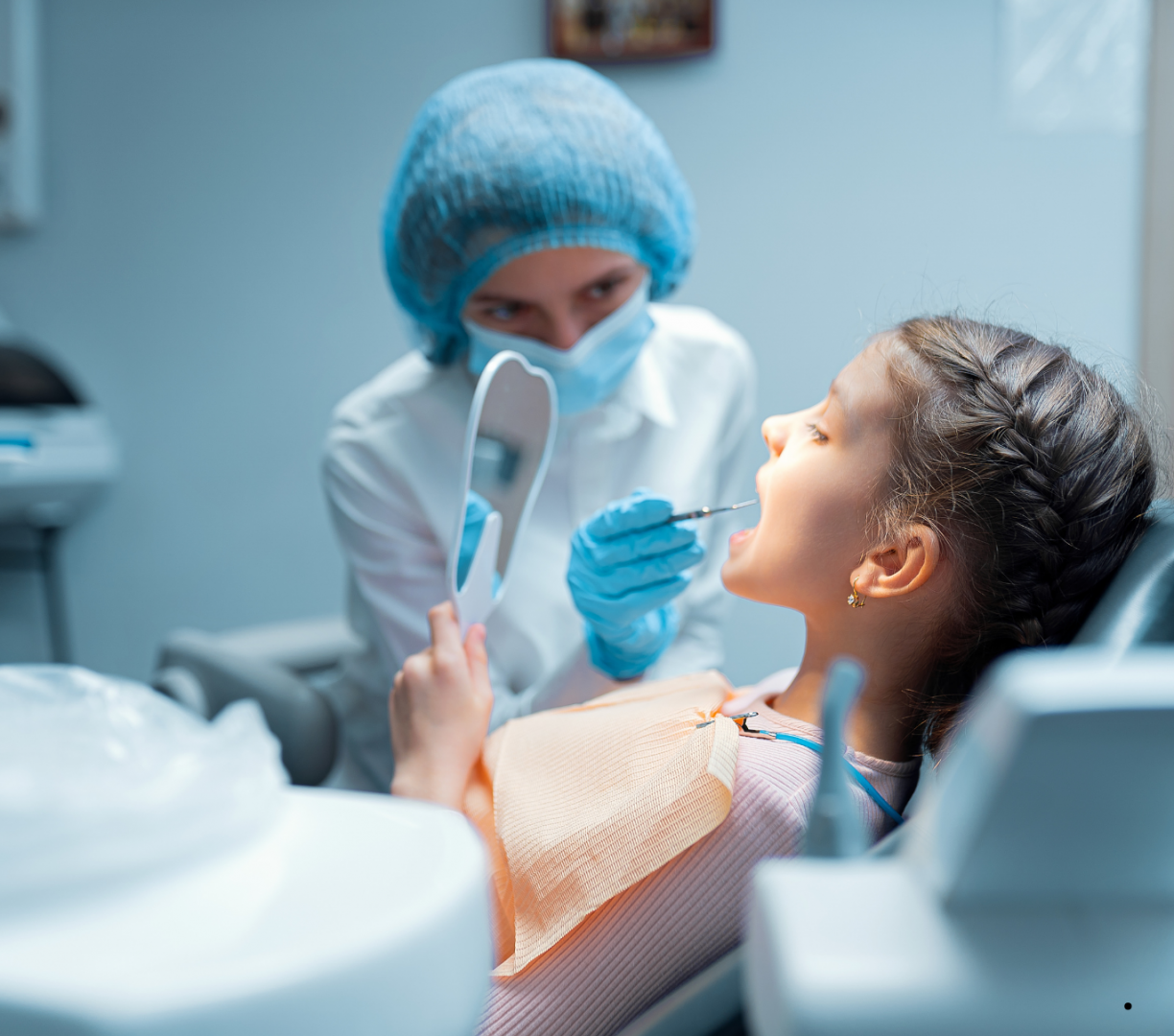
Primary teeth support chewing, speech development, appearance and the guidance of permanent teeth into position. Pediatric dental visits aim to prevent disease, detect problems early and help children become comfortable with routine dental care.
Care may include fluoride applications, fissure sealants, fillings, pulp treatment for selected primary teeth, space maintainers after early tooth loss, dental trauma management and guidance for habits such as thumb sucking.
Assessment
Reasons to arrange a pediatric dental visit
A child’s first dental check and preventive follow-up
Visible cavities or tooth sensitivity
Early loss of a primary tooth
Dental trauma after a fall or impact
Concerns about eruption, crowding or jaw development
Thumb sucking, lip biting or other persistent oral habits
A need for fluoride or fissure-sealant prevention
Why patients consider it
Key benefits
Regular review can identify caries risk and guide protective measures before problems become extensive.
Eruption, jaw growth and space for permanent teeth can be followed over time.
Age-appropriate communication helps children build confidence around dental visits.
Parents receive practical advice on brushing, diet, fluoride and injury prevention.
Step by step
Your treatment journey
Friendly introduction
The visit begins with age-appropriate communication and a gentle examination.
Risk assessment
Teeth, gums, hygiene, diet, fluoride exposure and eruption are reviewed.
Preventive care
Fluoride, sealants or cleaning may be recommended according to individual risk.
Treatment if needed
Cavities, pulp problems, trauma or early tooth loss are managed with an approach suitable for the child.
Recall plan
The interval for future review is based on caries risk and dental development.
Long-term success
Care and aftercare
Daily prevention at home is central to children’s oral health.
- Brush twice daily with age-appropriate fluoride toothpaste and supervision as needed
- Keep sugary snacks and drinks limited in frequency
- Use mouthguards for contact sports when appropriate
- Seek prompt assessment after dental trauma even if a tooth appears intact
Common questions
Pediatric Dentistry (Pedodontics) FAQ
When should a child first see a dentist?
A first dental visit is commonly recommended early in childhood, around the eruption of the first teeth, so prevention and home-care habits can begin promptly.
Why treat baby teeth if they will fall out?
Primary teeth are important for comfort, nutrition, speech and maintaining space for permanent teeth. Untreated decay can also cause pain and infection.
What are fissure sealants?
They are protective resin coatings placed in deep grooves of susceptible back teeth to reduce the chance of food and plaque becoming trapped.