10 Frequently Asked Questions About Dental Implants
10 Frequently Asked Questions About Dental Implants
Dental implants are one of the most modern and permanent solutions for patients who have lost one or more teeth. They offer results that are closest to natural teeth in both aesthetics and function. However, patients considering implant treatment often have many questions. In this article, we answer the 10 most frequently asked questions about dental implants.
1. What Is a Dental Implant?
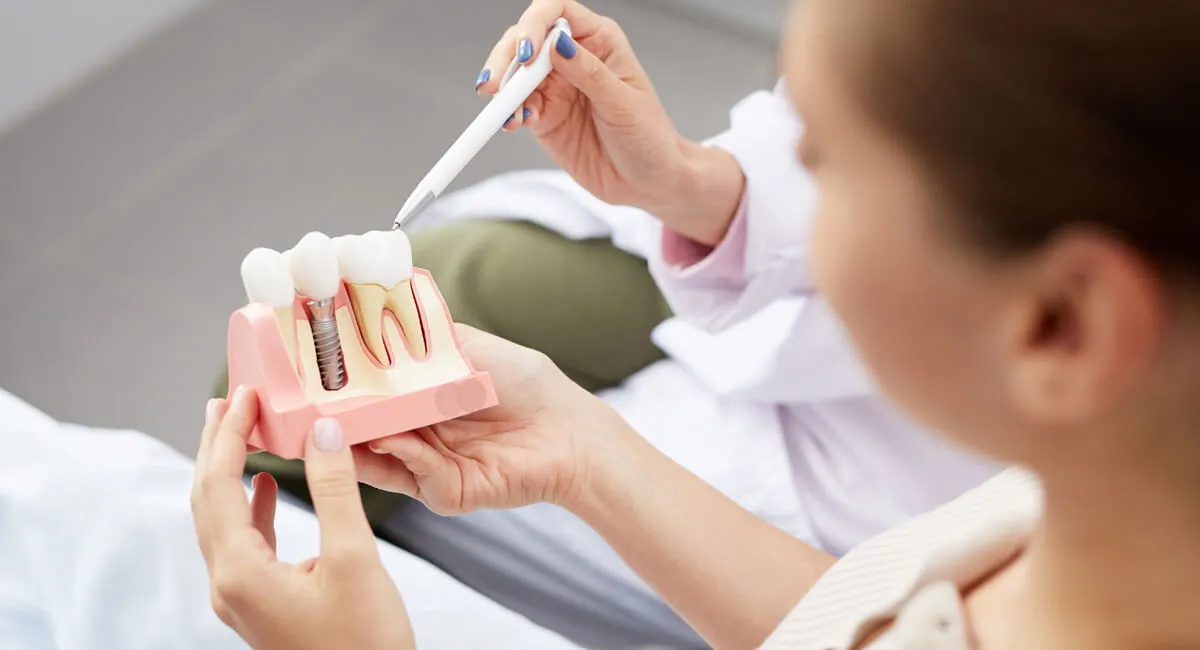
A dental implant is a treatment in which a titanium screw is placed into the jawbone and a prosthetic tooth is fixed on top of it. It mimics the natural tooth root and provides a long-lasting solution.
2. Who Is Suitable for Dental Implants?
-
Patients with a single missing tooth
-
Patients with multiple missing teeth
-
Fully edentulous (toothless) patients
-
Individuals who have completed jawbone development (usually over 18 years old)
⚠️ Patients with insufficient jawbone volume may require bone grafting before implant treatment.
3. Is Dental Implant Treatment Painful?
No. The procedure is performed under local anesthesia, so no pain is felt during surgery. Mild discomfort may occur afterward, but it can be easily controlled with prescribed medication.
4. How Long Does Implant Treatment Take?
-
Placement of a single implant usually takes 20–30 minutes.
-
The healing and integration process with the jawbone (osseointegration) takes 2–3 months.
-
After healing, the prosthetic tooth is placed.
5. How Long Do Dental Implants Last?
With proper oral care and regular dental check-ups, dental implants can last a lifetime. Good oral hygiene, avoiding smoking, and routine dentist visits significantly extend their lifespan.
6. What Are the Advantages of Dental Implants?
-
Appearance and function closest to natural teeth
-
Improved chewing and speaking ability
-
No damage to neighboring teeth
-
Durable and long-lasting solution
-
Supports facial aesthetics and jaw structure
7. What Factors Affect Dental Implant Prices?
-
The implant brand used
-
Number of implants required
-
Jawbone condition (need for bone grafting)
-
Dentist’s experience and expertise
For this reason, implant costs are determined individually after clinical evaluation.
8. Do Smoking and Alcohol Affect Dental Implants?
Yes. Smoking negatively affects the healing process and makes it harder for the implant to integrate with the jawbone. It also increases the risk of gum disease, which can shorten implant lifespan.
9. Are Dental Implants Suitable for Everyone?
No. Implant treatment may not be suitable without medical approval for patients with:
-
Uncontrolled diabetes
-
Severe heart conditions
-
Blood clotting disorders
-
Advanced bone loss
A detailed medical evaluation is essential before treatment.
10. What Should Be Considered After Implant Treatment?
-
Avoid hot foods and drinks for the first 24 hours
-
Maintain proper oral hygiene
-
Avoid excessive pressure on the surgical area
-
Do not skip regular dental check-ups
Conclusion
Dental implants are the most advanced solution for replacing missing teeth both aesthetically and functionally. With the right dentist, high-quality materials, and proper care, dental implants can be used safely for a lifetime.
At Kulvar Dental, we provide safe, reliable, and long-lasting dental implant treatments with experienced clinicians and modern technology.